
Otoplasty Sydney —
Ear Pinning Surgery with Dr Konrat
Dr Georgina Konrat (MBBS, FACCSM) performs otoplasty in Sydney from her Bondi Junction clinic, with consultation for both children and adults considering ear reshaping.
Key Facts
Otoplasty is a surgical procedure to reposition or reshape prominent ears. It can be discussed for children and adults. Dr Georgina Konrat performs otoplasty in Sydney from her Bondi Junction clinic, with consultation covering candidacy, risks, likely recovery, and whether the procedure is appropriate for the individual patient.
Procedure Duration
1–2 Hours
Recovery
1 Week
Anaesthesia
Local or General
Written by Dr Georgina Konrat (MBBS, FACCSM) — Last updated May 2026. AHPRA Registration: MED0001407863. ORCID: 0009-0002-9581-1131.
A Surgical Procedure for
Ear Reshaping
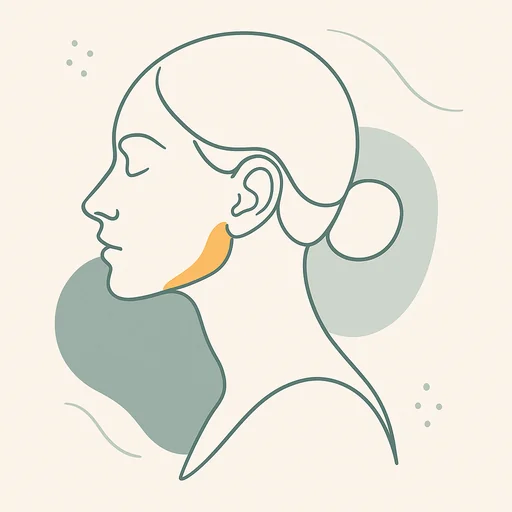
Otoplasty is a surgical procedure to reposition or reshape the outer ear (pinna). The goal is to make the ears less prominent while maintaining their natural appearance.
The procedure involves making a small incision behind the ear, through which the cartilage can be reshaped, folded, or secured with permanent stitches. Because the incision is behind the ear, the resulting scar is generally well hidden.
During consultation, Dr Konrat will assess your ear anatomy, discuss expectations and determine whether otoplasty is suitable for you. She will recommend the most appropriate technique and may advise against surgery if it is not in your interest.
For patients researching otoplasty in Sydney, the main practical issues are usually age, anaesthesia, time away from school or work, and fee structure. Those points are covered during consultation and in the related pages linked below.
Gallery
View the Otoplasty (Ear Pinning) gallery
The gallery contains clinical before and after photographs intended for persons aged 18 years and over.
Further Reading
Related guides for Otoplasty (Ear Pinning)
Read more about recovery, costs, consultation planning, and procedure-specific considerations relevant to this page.
Risks & Complications
All surgical procedures carry risks. Potential risks and complications of Otoplasty (Ear Pinning) are outlined below and will also be discussed in detail during consultation.
For broader information about surgical risk, visit the General Risks and Complications page.
Notes from Practice
“The two questions I am asked most often at otoplasty consultations are about timing for children and aftercare for adults. For children, I generally see families when the child is between seven and twelve, after the ear has reached close to its adult size but while the cartilage is still pliable enough to reshape with low force. Which technique I use follows from what the ear actually needs: a Mustardé-type suture approach to recreate the missing antihelical fold, a Furnas-type approach to set back an over-projected concha, or a combination of the two when both features are present. For adults, the practical question is the head garment worn to bed every night for 12 weeks. I explain this at the first consultation rather than the second, because it changes how people plan the week after surgery and the three months that follow.”
— Dr Georgina Konrat (MBBS, FACCSM), AHPRA MED0001407863
Reasons Patients Consider
Otoplasty (Ear Pinning)
Prominent or Protruding Ears
Ears that stick out markedly from the head, often due to underdeveloped ear folds or a deeper-than-average ear bowl.
Asymmetrical Ears
Differences in ear size or positioning that may be a concern for some patients.
Birth-Related Irregularities
Variations in ear shape present from birth that affect the appearance of the ears.
Children & Teenagers (from around age 7)
Otoplasty is often considered from around age 7, when the ears have reached most of their adult size and the cartilage is still pliable. Many parents choose this window so changes can be achieved before the school years where prominent ears may draw comment.
Adults
Adults of any age can undergo ear reshaping if they are healthy and do not smoke.
Personal Preference
Patients who wish to change the position of their ears for personal reasons.
How Otoplasty
Is Performed
Most procedures are done under either local anaesthetic with sedation or general anaesthetic, depending on age and preference.
Incision
A small incision is made in the crease behind the ear. Because of this placement, the resulting scar is generally well hidden.
Cartilage Reshaping
Through the incision, the cartilage can be reshaped, folded, or secured with permanent stitches. The aim is to bring the ears closer to the head or to restore folds in the cartilage that may not have developed fully.
Duration
The surgery usually takes one to two hours for both ears. Otoplasty only affects the outer ear and has no impact on hearing.
Otoplasty for
All Ages
Otoplasty can be performed on both children and adults:
- Children and teenagers — many parents choose otoplasty for younger patients because cartilage is more pliable, and surgical changes can be achieved earlier. Children's ears reach near adult size by around age five to six.
- Adults — adults of any age can undergo ear reshaping if they are healthy and do not smoke. The surgical steps are similar to those in children, although adult cartilage can be firmer.
- Realistic expectations — it is important to understand that otoplasty alters ear shape and position but cannot achieve exact symmetry.
In children, general anaesthesia is often used so they are fully asleep during the procedure. In adults, otoplasty may be done under local anaesthesia with sedation or under general anaesthesia, depending on the case and preference.
Mustarde, Furnas
and Stenstrom
Most otoplasty procedures are described in the literature by one of three named techniques, sometimes used on their own and sometimes in combination depending on what each ear needs.
Mustarde sutures
Mustarde sutures recreate the antihelical fold — the natural ridge inside the ear that often hasn't fully formed in patients with prominent ears. Permanent sutures are placed through the cartilage on the back of the ear to fold and hold the antihelix into its correct curve. This is the foundational technique for most prominent-ear corrections.
Furnas sutures
Furnas sutures set back the conchal bowl — the deeper cup of cartilage closest to the head. Permanent sutures anchor the conchal cartilage to the mastoid bone behind the ear so the bowl sits closer to the head rather than projecting outward. Useful when conchal hypertrophy is part of the prominence.
Stenstrom technique
The Stenstrom technique weakens the front surface of the cartilage by scoring or abrading it, so the cartilage naturally curls toward the back of the ear. Often used alongside Mustarde sutures to reduce the tension on the sutures themselves and lower the risk of suture extrusion or recurrence.
In Dr Konrat's practice the technique selection is made at consultation after assessing which structural element is creating the prominence — the antihelical fold, the conchal bowl, or both. Most cases use a combination rather than a single technique.
What about "no-incision" or "incisionless" otoplasty?
Some clinics advertise a "no-incision" or "incisionless" otoplasty, where sutures are passed through small needle punctures rather than an open incision behind the ear. The appeal is less visible scarring and a quicker procedure. The trade-off is that, without opening the skin, the cartilage cannot be scored or reshaped directly, so the approach relies on sutures alone — which suits only milder prominence and carries a higher chance of the correction relaxing or the sutures loosening over time. Dr Konrat's practice uses the open suture techniques described above, chosen because they allow the antihelical fold and conchal bowl to be addressed directly for a more durable result. If you have seen the incisionless option advertised, it is a reasonable question to raise at consultation so the trade-offs can be explained for your ears specifically.
Medicare and
Otoplasty
Medicare rebates and private health insurance rebates do not apply to procedures performed at Dr Konrat's practice. Dr Georgina Konrat is a cosmetic doctor (MBBS, FACCSM), and otoplasty performed through this practice is classified as a cosmetic procedure with no rebate available. All fees are discussed openly during consultation so there are no surprises.
The information below is general background about how Medicare classifies otoplasty in Australia — useful context for patients who are researching the procedure broadly. It does not change the fact that no Medicare or private health insurance benefit is payable on the surgery performed here.
Background: Medicare item 45659
Item 45659 is the Medicare Benefits Schedule item that can apply to otoplasty in some circumstances, generally for a child under 18 with prominent ears, when the surgery is performed by a Medicare-billing practitioner in a recognised facility. Patients who think this pathway may be relevant to them should discuss eligibility with their GP, who can advise on the referral and provider options that bill Medicare directly. That pathway is separate from this practice.
Adult otoplasty (18 and over) is classified as a cosmetic procedure regardless of the practitioner pathway. There is no Medicare rebate for adult otoplasty.
Medicare item numbers and criteria change periodically. Specific eligibility, item availability, and rebate amounts should always be confirmed with Medicare or a GP before any decision is made about where or with whom to have surgery. For a full breakdown of what makes up the fee at this practice, see the otoplasty cost Sydney page.
Planning Otoplasty in
Sydney
Patients searching for otoplasty in Sydney usually want to know three things early: whether the procedure can be discussed for a child or an adult, how long recovery takes, and what the fee planning looks like.
At consultation, Dr Konrat reviews the position of the ears, the cartilage shape, whether one or both ears are involved, and the likely anaesthesia requirements. For children, the discussion also includes time away from school and how the night-time head garment will be managed for the 12 weeks after surgery.
If you are comparing procedures, the otoplasty cost Sydney guide explains what usually affects pricing. If you are comparing age-related considerations, read otoplasty for children vs adults. If you are mainly focused on healing time, the otoplasty recovery guide gives a more detailed timeline, and otoplasty before and after explains how the ears look as they heal and how to read before and after photos.
How much does otoplasty cost in Sydney?
A specific fee is provided in writing at your first consultation, once Dr Konrat has assessed your ears — because the fee depends on whether one or both ears are treated, the technique required, and whether the procedure is done under local or general anaesthesia. A quote typically accounts for the doctor's fee, the anaesthesia, and the facility, along with follow-up appointments; costs that can sit outside the quote include the GP referral, any imaging, and prescription medications. Medicare and private health rebates do not apply to procedures at this practice. For the full breakdown of what moves the price, see the otoplasty cost Sydney page, which owns this question in detail, or the general cosmetic surgery cost Sydney guide for how fees are explained across procedures.
Recovery timeline at a glance
Dr Konrat and a nurse review you the day after surgery, and a head garment is worn to bed every night for 12 weeks. Most people return to work or school about a week after surgery, and any remaining stitches come out at around day 10 to 14. The otoplasty recovery guide sets this out day by day.
Your Otoplasty (Ear Pinning)
Process
Consultation & Referral
A GP referral is required before your appointment, not before booking. Two consultations (at least one in person) are needed before surgery. Mandatory cooling-off period of 7 days for adults. Patients under 18 need an independent psychological assessment and a cooling-off period of at least three months.
Pre-Operative Preparation
Dr Konrat will assess your ear anatomy, discuss expectations and goals, explain the procedure and its risks, and provide a personalised fee estimate.
The Day of Surgery
Performed under local or general anaesthesia in an accredited day surgery. Takes 1–2 hours for both ears. Most patients are discharged the same day.
Recovery & Follow-Up
Review with Dr Konrat and a nurse the day after surgery. Wear the head garment to bed every night for 12 weeks. Most patients return to school or work within one week.
What to Expect
After Surgery
Expect discomfort, swelling and bruising after ear pinning. The first night at home and the second or third day are usually the most uncomfortable.
Review & Ear Care
Dr Konrat and a nurse review you the day after surgery. Apply ice packs 3 minutes on, 3 minutes off while awake for the first 24 hours, and the prescribed ointment morning and night for 5 days.
Back to Work or School
Avoid bending over, heavy lifting and vigorous activity. Most patients return to school or work at about one week.
Stitches Out
Any remaining stitches are removed at the clinic, if required. Mild exercise can usually resume after two weeks.
Night Garment
Review with Dr Konrat at week 6, including return to contact sport. Wear the head garment to bed every night until week 12.
Important: Contact the clinic immediately if you experience excessive bleeding, severe pain, or signs of infection. Detailed aftercare instructions will be provided before and after your procedure.
Preparing for Your Consultation
- Bring your GP referral letter
- Prepare a list of medications, supplements, or medical conditions
- Write down any questions you would like to ask Dr Konrat
- Wear comfortable clothing to your appointment
How Much Does Otoplasty (Ear Pinning)
Cost?
Costs vary depending on the complexity of the procedure, the facility used, and anaesthesia fees. A personalised fee estimate will be provided at your first consultation with Dr Konrat.
Dr Georgina Konrat is a cosmetic doctor and no Medicare rebates are applicable through her practice. All fees will be discussed openly during consultation so there are no unexpected costs.
Ready to discuss your options?
Personalised fee estimate at your first consultation
Have questions? Contact our clinic or call 02 9188 1949.
Before & After
Gallery
View before and after photographs from Dr Konrat's practice. All photographs are shared with patient consent and are intended for educational purposes only.
Photographs are intended for persons aged 18 years and over. Individual results vary. All surgical procedures carry risks. AHPRA: MED0001407863.
Frequently Asked Questions
The information on this page is general in nature and does not replace medical advice. All surgical procedures carry risks, and outcomes vary between individuals. A consultation with Dr Georgina Konrat is required to determine whether this procedure is appropriate for you.
Other
Procedures
Related Articles
Ready to Book a Consultation?
The first step is a confidential consultation where Dr Konrat will discuss your concerns, explain the procedure in detail, and answer any questions you may have.
A GP referral is required for surgical procedures, before your appointment rather than before you book. Please note a mandatory 7-day cooling-off period follows your second consultation and signed consent, before surgery can be booked or a deposit paid.