
Choosing a cosmetic doctor in Sydney should be a structured decision, not a rushed one. AHPRA's public guidance is useful here because it shifts the focus away from advertising language and back toward registration, qualifications, informed consent, and safety. The Sydney cosmetic market has grown rapidly over the last decade, and the way clinics present themselves online can make it difficult to tell the difference between a carefully operated medical practice and a marketing website that exists primarily to sell appointments. This guide walks through the practical checks you can do yourself, the questions you should ask at consultation, and the regulatory framework that now applies to all cosmetic procedures in Australia.
The most useful first question is not "who seems impressive online?". It is "what can I verify, what questions should I ask, and do I feel I have enough information to decide safely?". The steps below are designed to give you a framework to answer that second question confidently, regardless of which cosmetic doctor you are considering.
A quick note about terminology before we start: in Australia, the titles "cosmetic surgeon" and "cosmetic doctor" are not the same as "plastic surgeon". A registered "specialist plastic surgeon" holds a recognised specialist qualification (FRACS), while a "cosmetic doctor" holds general medical registration and has completed additional training in cosmetic surgery and medicine. The comparison is about title definitions — what matters is verifying the specific practitioner's qualifications, experience with the procedure you want, and their approach to safety and informed consent. AHPRA's July 2023 reforms introduced new rules that apply to everyone performing cosmetic surgery in Australia, regardless of which title they use, which is why the checklist below works for any cosmetic doctor in Sydney.
Start with the AHPRA Register
Before anything else, check that the doctor is registered to practise in Australia. AHPRA provides a public online register of practitioners. Search the doctor's name or registration number and review the registration details shown there.
AHPRA's public cosmetic surgery guidance also says that if you cannot find the doctor on the register, ask for their registration number. This is a basic safety step and should happen before you book further care.
Understand the Referral Rules Before Consultation
AHPRA's public guidance says that anyone considering cosmetic surgery must obtain a referral from their GP before the first consultation with the doctor who may perform the procedure, though not before booking that consultation. That referral helps communicate important medical background information and acts as an extra safety measure.
If a clinic suggests the referral is unnecessary for cosmetic surgery consultation, that should make you pause and check the current rules for yourself.
Ask About Training, Qualifications, and Procedure Experience
AHPRA's public information makes another important point: finding a doctor on the register is not enough to tell you whether they are the right person for your procedure. You still need to ask about their qualifications, training, experience with the procedure you are considering, and their rates of complication or revision surgery.
Good consultation questions include:
- What qualifications do you hold?
- How often do you perform this procedure?
- What are the main risks in my case?
- What alternatives are there to surgery?
- How often do you see patients back after the procedure?
- How do you handle complications or an unexpected recovery issue?
Make Sure the Consent Discussion Is Detailed
A proper consultation should cover the risks and possible complications, the likely recovery, the fees, what alternatives exist, and what happens if you choose not to proceed. AHPRA's public guidance also says patients should be given the opportunity to ask questions and seek more information before surgery.
If the conversation feels rushed, vague, or overly sales-focused, that is a warning sign. Cosmetic surgery should be discussed as a medical decision with risks and limits, not as a guaranteed consumer outcome.
Check Where the Procedure Takes Place
Ask where the procedure will be performed, what type of facility is used, what anaesthesia is recommended, and who will provide it. This matters because the setting affects monitoring, staff support, and the overall safety plan.
It is also worth asking who you contact after hours if you are worried during recovery and where you would be reviewed if healing is not going to plan.
Cooling-Off Period and Second Opinions
AHPRA's public guidance states that there must be a cooling-off period of at least seven days after consent and before the surgery can be booked or paid for. That time is there for a reason. Use it to review the written information, revisit the risks, and decide whether you want a second opinion.
Seeking a second opinion is reasonable, particularly if the procedure is significant, the fee is substantial, or you are unsure whether surgery is the most suitable option for your circumstances.
Red Flags to Notice Early
Some patterns should prompt extra caution during your research and consultation process. None of these are automatic reasons to walk away, but each should trigger follow-up questions and, in many cases, a second opinion from a different cosmetic doctor before you commit.
- Pressure to book quickly or pay immediately, particularly if a "limited-time" discount is offered only if you commit on the day
- Reluctance to discuss risks in detail, or risks that are described in vague language rather than with specific percentages and outcomes
- Unclear qualifications, vague answers about training, or refusal to show you where to verify the doctor's registration
- No clear explanation of aftercare arrangements, who to contact after hours, and what the follow-up schedule looks like
- Fees that are not clearly itemised — you should always see a written breakdown of practitioner fees, anaesthetist fees, facility or hospital fees, any implants or devices, and follow-up costs
- Difficulty verifying the doctor on the AHPRA public register, or discovering conditions or undertakings on their registration that were not disclosed in the consultation
- Before-and-after images that look heavily edited, that do not show honest post-operative stages (day 1, week 1, month 6, year 1), or that are not clearly labelled with consent disclosures
- Staff who discourage you from asking questions, make you feel rushed during consultation, or react negatively when you mention wanting a cooling-off period or second opinion
Understanding the 2023 AHPRA Reforms
In July 2023, AHPRA and the Medical Board of Australia introduced significant changes to the regulation of cosmetic surgery in Australia, following a long consultation process and several public inquiries into patient harm. These reforms directly affect how any cosmetic doctor in Sydney (or anywhere in Australia) must operate, and understanding them gives you a practical checklist for evaluating the practice you are considering.
The key changes include: a mandatory GP referral before your first consultation, stricter advertising rules (particularly around social media, before-and-after images, and use of the word "surgeon"), a mandatory cooling-off period of at least seven days between consent and procedure, new informed-consent requirements, new rules around pre-operative and post-operative care, and minimum age requirements for certain procedures. Most of these rules existed in some form before 2023, but the reforms made compliance mandatory and enforceable and closed many of the gaps that had existed previously.
When you are choosing a cosmetic doctor, look for a practice that treats these rules as the minimum standard rather than an inconvenience. A practice that has clearly built its consultation process, patient materials, consent documents, and aftercare around the AHPRA guidelines is showing that it takes patient safety seriously. A practice that seems to work around or minimise the rules — for example, by suggesting the cooling-off period is flexible, or by offering same-day bookings — is telling you something important about how it thinks about compliance more broadly.
Thinking About Travel, Accommodation, and Recovery Logistics
If you are travelling from outside Sydney for cosmetic work, or if your procedure requires overnight recovery in a hotel rather than at home, factor these logistics into your planning before you choose the cosmetic doctor. Ask whether the practice has preferred accommodation providers, whether overnight post-operative care is included in the fee, who will be responsible for transport to and from the procedure location, and what the arrangement is if your recovery is slower than expected and you need to stay longer. The Bondi Junction area of Sydney has good public transport links and several hotels and serviced apartments nearby, which makes it practical for patients travelling from regional New South Wales or interstate. Make sure you have a responsible adult with you for the first 24–48 hours after any procedure involving sedation or general anaesthesia.
Comparing Costs Without Getting Misled
Cost is a legitimate factor in choosing a cosmetic doctor, but it is easy to be misled by headline fees that exclude significant line items. When you receive a quote, make sure it includes: the practitioner fee, the anaesthetist fee, the facility or hospital fee, any implants or medical devices, pre-operative blood tests or imaging, take-home medications, and any included follow-up appointments. A quote that looks dramatically lower than other practices in Sydney usually has something missing, and the gap often appears as "extras" added closer to the procedure date. A properly itemised quote lets you do an apples-to-apples comparison between practices.
Payment plans are also worth scrutinising. Some plans quoted through third-party finance providers include significant interest or fees that can add thousands to the total cost. Read the terms in full, calculate the total amount payable across the life of the plan, and compare it directly to paying the full amount up front or using an existing personal credit facility. AHPRA's advertising rules also restrict how cosmetic practices can promote payment plans, so a practice that leads with "from $X per week" marketing may be pushing at or across those rules.
How This Applies at Dr Konrat's Practice
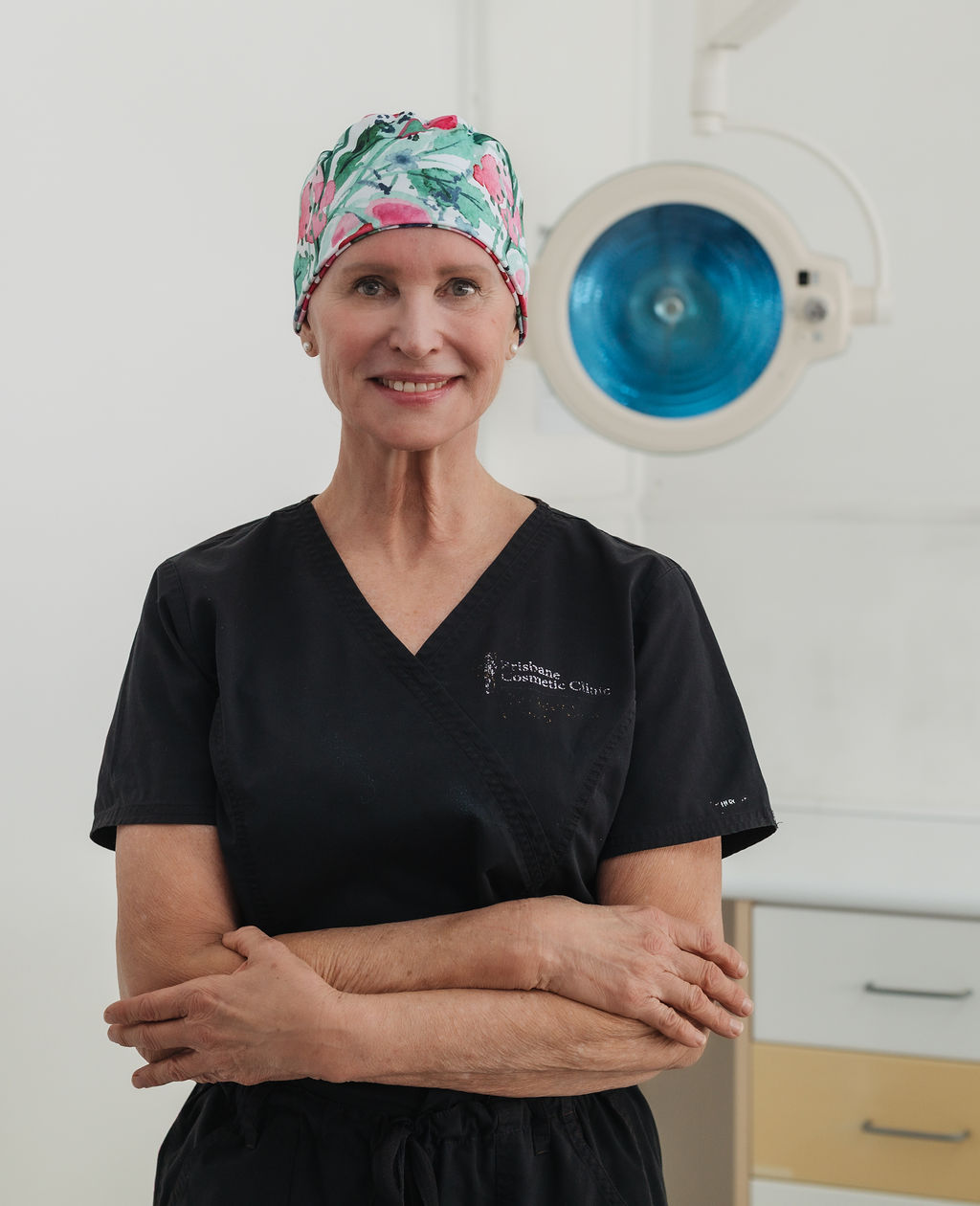
If you are specifically comparing Dr Georgina Konrat with other cosmetic doctors, you can review her registration and background on the Why Dr Georgina Konrat? page or on the Meet Our Team page. Procedure pages on this site also place the risks section near the top and provide procedure-specific risk detail because informed consent should not be an afterthought.
Frequently Asked Questions
How do I check whether a cosmetic doctor is registered in Australia?
Use the AHPRA online register and search the practitioner's name or registration number. Check that they are currently registered and review the registration details shown.
Do I need a GP referral before cosmetic surgery consultation?
Yes. AHPRA's public guidance says patients considering cosmetic surgery need a GP referral before the first consultation with the doctor who may perform the procedure.
What questions should I ask during consultation?
Ask about qualifications, experience with the specific procedure, risks, alternatives, likely recovery, fee inclusions, where the procedure is performed, and who provides aftercare.