

Key Takeaways
- 1Labiaplasty and vaginoplasty target completely different anatomical areas — external vs internal structures.
- 2Labiaplasty reshapes the labia minora for comfort or aesthetics, while vaginoplasty reconstructs the internal vaginal canal and muscles.
- 3External and internal procedures have distinct recovery processes, risks, and outcomes.
- 4Understanding your unique anatomy is essential to choosing the right procedure for your concerns.
- 5Consultation with a qualified practitioner ensures your approach matches your individual needs and goals.
Most people think “vagina” covers everything down there. Your anatomy actually has distinct areas with completely different functions. The external structures that frame your vaginal opening follow different rules than the internal canal and muscle systems. This anatomical geography matters because labiaplasty and vaginoplasty target completely separate territories of your body.
The Anatomy Confusion That Trips Up Everyone
The external structures you can see — the labia minora and majora — function completely differently from the internal vaginal canal and surrounding muscle networks. The safe practice of female genital plastic surgery reveals how this anatomical geography creates the foundation for understanding why these procedures address entirely different concerns.
External changes don't influence internal function, and internal modifications don't alter external appearance.
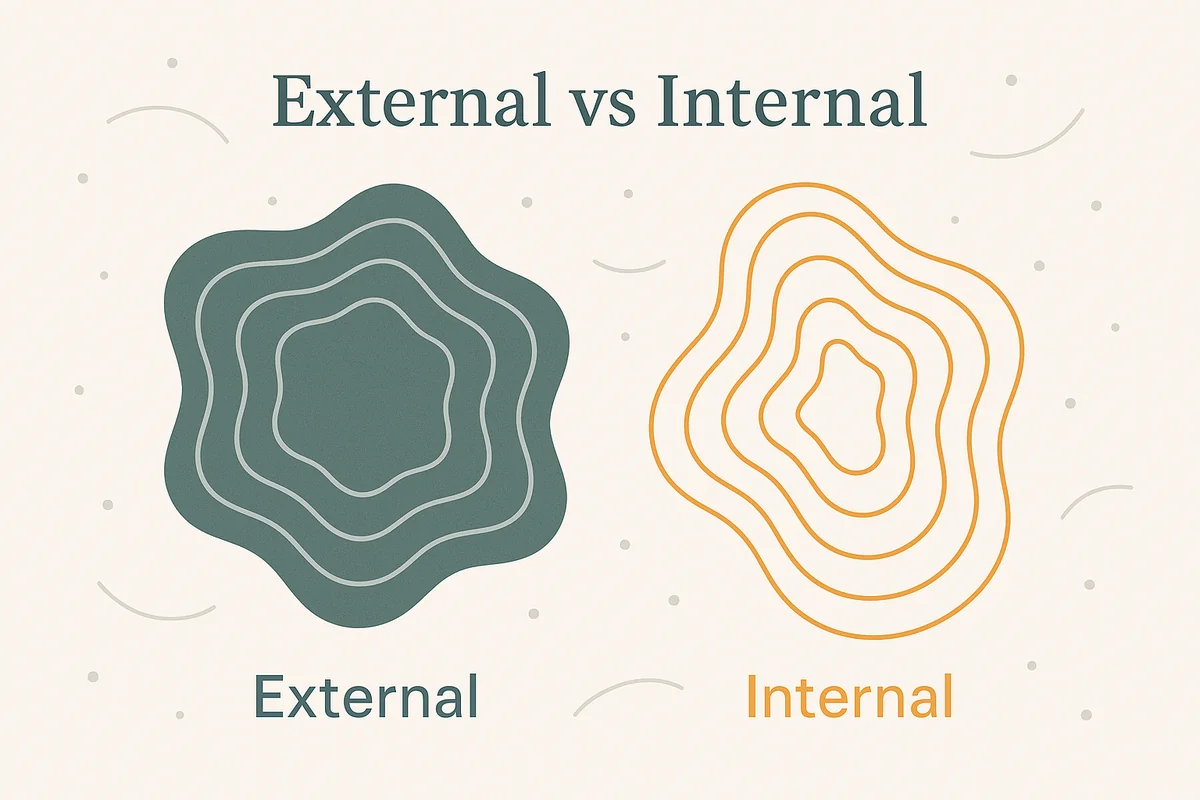
Abstract representation of external vs internal anatomy.
What Labiaplasty Actually Addresses
Labiaplasty operates exclusively in the external zone — specifically targeting the labia minora, those inner folds of skin that frame your vaginal opening. This procedure reshapes or reduces tissue that may create discomfort during activities like cycling, wearing fitted clothing, or intimate moments.
Your unique anatomy determines whether labiaplasty addresses functional concerns, aesthetic preferences, or both.
Vaginoplasty Targets Something Completely Different
Vaginoplasty ventures into completely different territory — the internal vaginal canal and surrounding muscle structures. This procedure typically addresses changes to vaginal muscle tone and width that can occur after childbirth, aging, or genetic variation.
Aesthetic gynaecology research shows that internal changes operate independently from external appearance.
The Visual vs. Functional Difference
Labiaplasty results appear immediately visible because they alter the external labial shape. Vaginoplasty changes remain entirely internal and relate to sensation, muscle function, and structural support rather than appearance. External changes don't affect internal function, and internal changes don't alter external appearance.
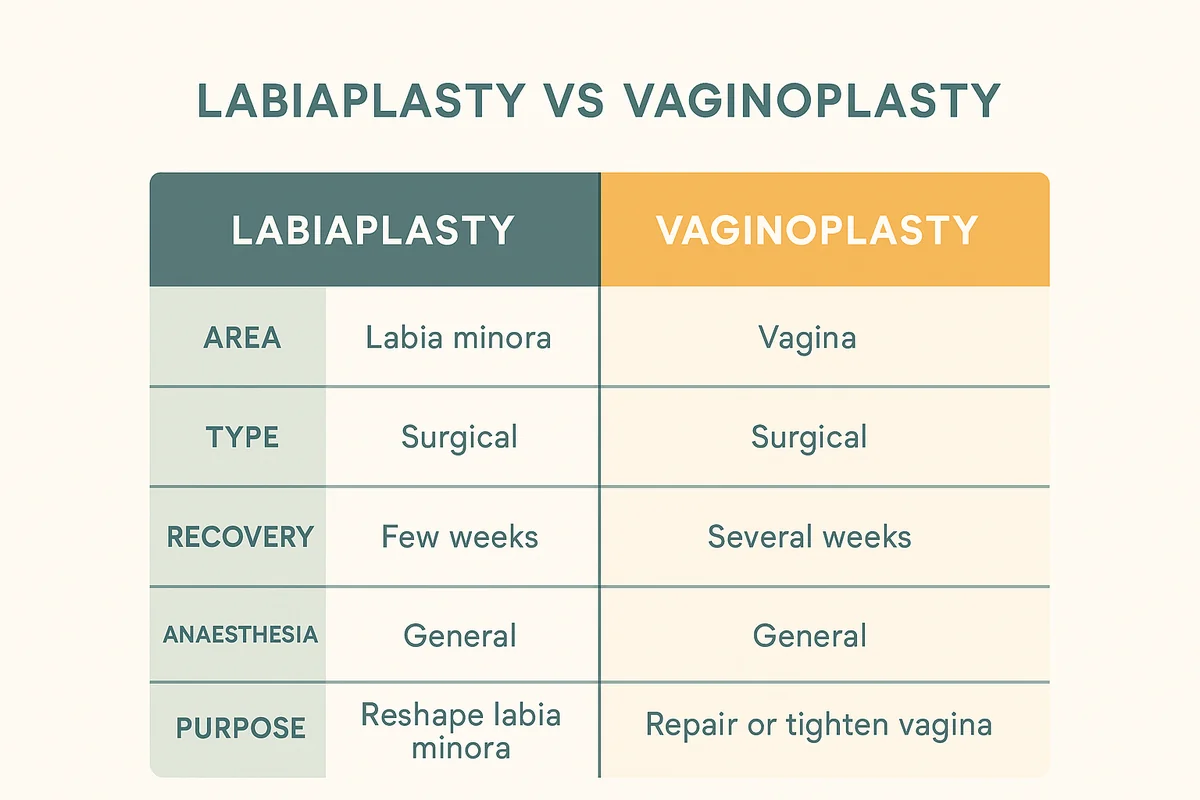
A general comparison. Discuss which procedure may be appropriate during consultation.
Why People Confuse These Procedures
Both procedures involve intimate anatomy, creating the illusion they address similar concerns. Understanding why women get labiaplasty versus seeking internal reconstruction helps clarify the distinction.
The Recovery Stories Tell Different Tales
Labiaplasty recovery focuses on protecting external surgical sites from friction and irritation. Vaginoplasty recovery involves internal healing processes that require restrictions on internal pressure and stretching.
Labiaplasty recovery patterns differ dramatically from internal tissue healing because your body's response varies between external skin repair and internal muscle reconstruction.
Who Benefits From Which Procedure
Labiaplasty candidates typically experience external discomfort, irritation, or have aesthetic concerns about visible labial tissue. Vaginoplasty candidates usually notice changes in internal sensation, support, or muscle function.
Individual assessment determines the most appropriate approach.
The Statistical Reality Behind Both Procedures
According to recent data, labiaplasty procedures numbered 10,827 cases in 2024, representing a 2% increase from the previous year. Current plastic surgery statistics reveal that external procedures like labiaplasty have different demand patterns compared to internal reconstructive work.
The Technique Differences That Matter
Labiaplasty involves precise tissue removal and reshaping of external structures. Vaginoplasty requires working with muscle layers, internal tissues, and structural support systems. Comprehensive assessment of labiaplasty techniques shows how external procedures follow different principles than internal reconstruction.
Making Sense of Your Individual Anatomy
External appearance doesn't predict internal structure, and internal changes don't necessarily create external symptoms. Individual consultation remains essential because anatomy textbooks don't capture the remarkable variation that exists between people.
Understanding Your Options
Labiaplasty and vaginoplasty operate in completely different anatomical areas, each addressing distinct concerns through different surgical approaches. Whether you're experiencing external discomfort or internal functional changes, understanding these fundamental differences helps clarify your options. Contact us to discuss how your individual anatomy might benefit from personalised assessment.
Frequently Asked Questions
Can I have both labiaplasty and vaginoplasty at the same time?
While both procedures involve intimate anatomy, they target completely different structures. Some women do have both procedures, but timing depends on your individual healing capacity. Your unique anatomy and goals determine whether combining procedures makes sense.
How do I know if my concerns are external or internal?
External concerns typically involve visible tissue you can see, like asymmetry or discomfort during activities. Internal concerns relate to sensation, muscle function, or support changes. Individual consultation helps map your specific anatomy to the appropriate procedure.
Will labiaplasty affect my internal sensation or function?
Labiaplasty works exclusively with external tissue — the labia minora that frame your vaginal opening. This procedure doesn't involve internal structures or nerve pathways to internal areas. Your body's external and internal territories function separately.
Is one procedure more common than the other in Australia?
Recent statistics show labiaplasty numbered 10,827 cases in 2024. Internal procedures follow separate demand patterns.
How long before I can exercise after each procedure?
Labiaplasty recovery focuses on protecting external surgical sites from friction during activities like cycling or running. Vaginoplasty recovery involves internal healing with restrictions on activities creating internal pressure. Both need individualised recovery plans.