


Key Takeaways
- 1Labial anatomy varies widely and can cause both functional discomfort and aesthetic concerns, challenging the idea of a single “normal.”
- 2Medical motivations for labiaplasty often include physical symptoms like irritation, pain, and hygiene difficulties, not just cosmetic reasons.
- 3Research shows that most women seeking labiaplasty have overlapping functional and aesthetic motivations, with physical discomfort frequently being primary.
- 4Appropriate labiaplasty techniques typically preserve or may help with sexual function, and surgical risks must be carefully discussed.
- 5Comprehensive evaluation — including anatomical, psychological, and life stage factors — is essential for informed decision-making.
The anatomy of labial tissue reveals a complexity that most women never fully understand until physical discomfort or aesthetic concerns prompt deeper investigation. Current research demonstrates that labial anatomy exists on a vast spectrum of normal variation, yet some configurations genuinely impact daily function and comfort.
Understanding the Medical Anatomy Behind Labiaplasty Decisions
The anatomical structure of the labia consists of complex tissue layers that vary significantly between individuals. Medical literature demonstrates that labial anatomy exists on a spectrum of normal variation, with some configurations potentially causing physical discomfort during daily activities or exercise. The diversity of labial anatomy challenges standardised approaches to evaluation.
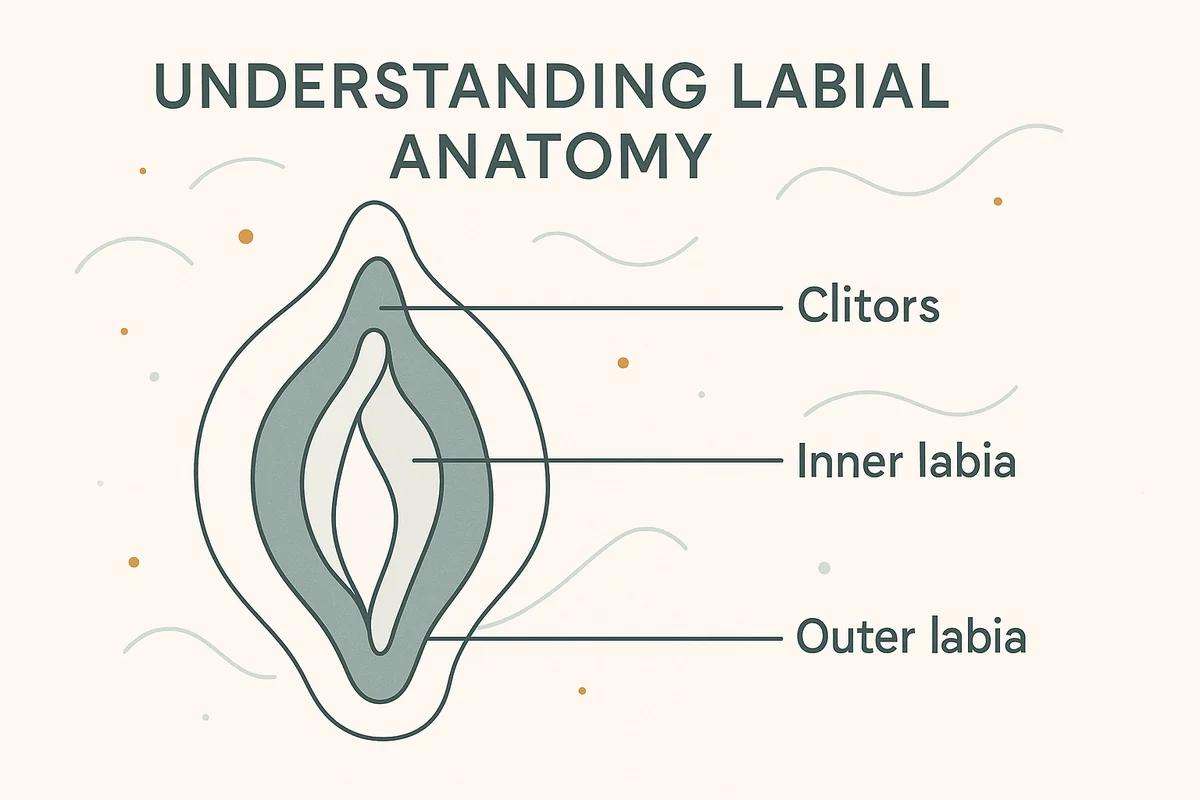
Abstract representation of labial anatomy. Discuss your specific anatomy with your doctor.
Physical Discomfort as a Primary Medical Consideration
Many women experience genuine physical discomfort from labial tissue during activities such as cycling, running, or wearing fitted clothing. Functional impairment can affect hygiene maintenance and contribute to increased risk of urinary tract infections in some individuals.
Comprehensive studies examining women's experiences reveal that physical symptoms often drive initial medical consultations, challenging assumptions that labiaplasty motivations are purely aesthetic.
The Complex Motivation Behind Aesthetic Concerns
Aesthetic motivations for labiaplasty often intertwine with functional concerns. Studies indicate that women's aesthetic concerns frequently stem from comparison with media representations or lack of education about normal anatomical variation.
Systematic research into motivational factors demonstrates that women often present with overlapping functional and aesthetic concerns.
Debunking the Myth That Labiaplasty Is Purely Cosmetic
Medical evidence demonstrates that many women seeking labiaplasty present with both functional symptoms and aesthetic concerns. Research indicates that up to 78.6% of women combine functional reasons with aesthetic motivations, often prioritising physical discomfort as the primary concern.
Clinical research examining patient requests reveals that the purely cosmetic label fails to capture the multifaceted health considerations.
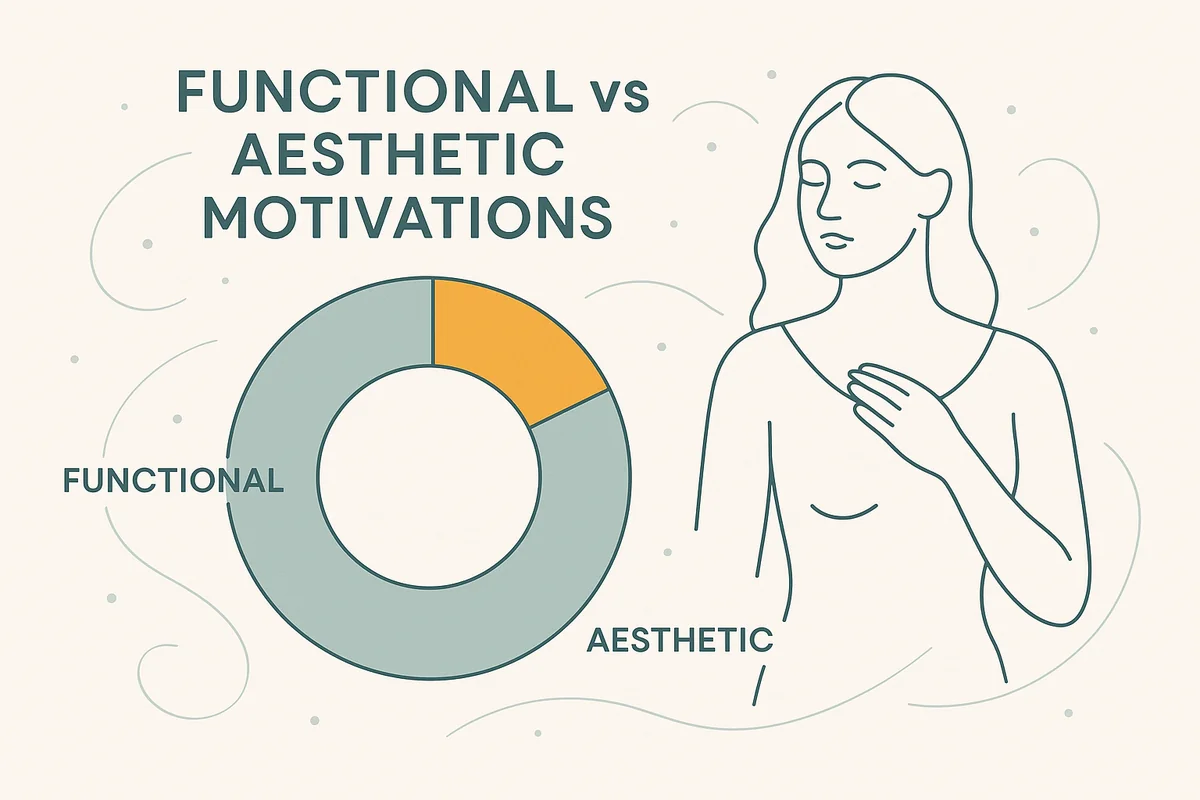
Motivations vary between individuals. Both functional and personal reasons are valid.
Sexual Function Considerations and Common Misconceptions
Scientific studies show that appropriate labiaplasty techniques, when medically indicated, typically preserve or may help with sexual function rather than diminishing it. Some women experience improved sexual comfort following medically appropriate labiaplasty due to reduced physical discomfort during intimacy.
Understanding the full scope of labiaplasty considerations helps dispel fears while maintaining realistic expectations.
Age-Related Changes and Timing Considerations
The biological ageing process affects labial tissue through changes in collagen production, elasticity, and hormonal influences, particularly following menopause. Childbirth can alter labial anatomy through stretching and tearing, sometimes creating functional issues that develop years later.
Clinical overviews of labiaplasty emphasise the importance of understanding how life stage influences both surgical candidacy and expected outcomes.
Psychological Factors and Mental Health Considerations
Clinical evaluation must distinguish between body dysmorphic concerns and realistic assessment of anatomical variation. Mental health screening forms an essential component of pre-surgical assessment. Academic research highlights the complex interplay between physical symptoms, psychological factors, and quality of life.
The Reality of Surgical Risks and Recovery
Labiaplasty, like all surgical procedures, carries inherent risks including infection, scarring, asymmetry, and altered sensation. Recovery timelines extend beyond initial healing, with tissue remodelling continuing for months. Patients should thoroughly understand the full spectrum of risks and complications before making surgical decisions.
Medicare Guidelines and Medical Necessity Criteria
Australian Medicare guidelines for functional labiaplasty require demonstration of genuine medical necessity. Assessment criteria focus on documented functional impairment, failed conservative treatments, and impact on daily activities.
Making Informed Decisions About Labiaplasty
The decision-making process requires comprehensive evaluation. Patient education about normal anatomical variation helps distinguish between unrealistic expectations and genuine medical concerns. Understanding the full scope of recovery expectations and timelines forms an essential component of informed decision-making.
For comprehensive evaluation of your individual circumstances, contact our practice to discuss your specific concerns with Dr Konrat.
Frequently Asked Questions
Is labiaplasty covered by Medicare in Australia?
Medicare coverage requires demonstration of genuine medical necessity rather than aesthetic motivations. Healthcare providers must document specific symptoms affecting daily function to support medical necessity determinations.
Will labiaplasty affect my sexual sensation or function?
Scientific studies demonstrate that appropriate techniques typically preserve or may help with sexual function rather than diminishing it. Individual outcomes vary significantly based on anatomical factors, surgical technique, and personal healing responses.
What are the main reasons women seek this procedure?
Research reveals that up to 78.6% of women combine functional and aesthetic motivations. Physical discomfort during activities like cycling, running, or wearing fitted clothing represents a primary concern.
How do age and childbirth affect the need for labiaplasty?
The biological ageing process affects labial tissue through changes in collagen production, elasticity, and hormonal influences. Childbirth can alter anatomy through stretching and tearing, sometimes creating functional issues that develop years later.
What should I expect during labiaplasty recovery in Bondi Junction?
Recovery involves complex biological healing that varies between individuals. Tissue remodelling continues for months following surgery. Understanding recovery expectations forms an essential component of informed decision-making.