

Key Takeaways
- 1Labiaplasty and clitoral hood reduction are distinct procedures addressing different vulval areas and issues.
- 2Both procedures may be considered for functional issues like discomfort, hygiene problems, or irritation, not just appearance.
- 3Assessment by a qualified practitioner is essential to determine if one or both procedures are appropriate for your needs.
- 4Recovery involves several weeks of healing, with most people returning to normal activities within a month.
- 5Medicare or private health coverage in Australia depends on strict criteria for medical necessity and thorough documentation.
Labiaplasty vs clitoral hood reduction: what's the difference?
These two procedures address different areas of vulval anatomy and serve distinct purposes. They're sometimes performed together when both areas contribute to concerns.
Labiaplasty focuses on the labia minora (inner lips) or labia majora (outer lips). The procedure involves reshaping these tissues when they cause physical discomfort, hygiene difficulties, or chafing during daily activities.
Clitoral hood reduction targets the prepuce, the fold of skin that covers the clitoris. When this tissue is redundant or enlarged, it can trap moisture, cause hygiene challenges, or create irritation. According to the Cleveland Clinic, this procedure removes excess tissue while preserving the important protective and sensory functions of the area.
Vulval anatomy varies significantly; what's considered “normal” spans a wide range. Neither procedure is necessary for medical health in most cases.
For comprehensive information about labiaplasty as a standalone procedure, you can explore how it addresses labial concerns specifically. You can also learn more about labiaplasty vs. vaginoplasty to understand how various vulval procedures differ.
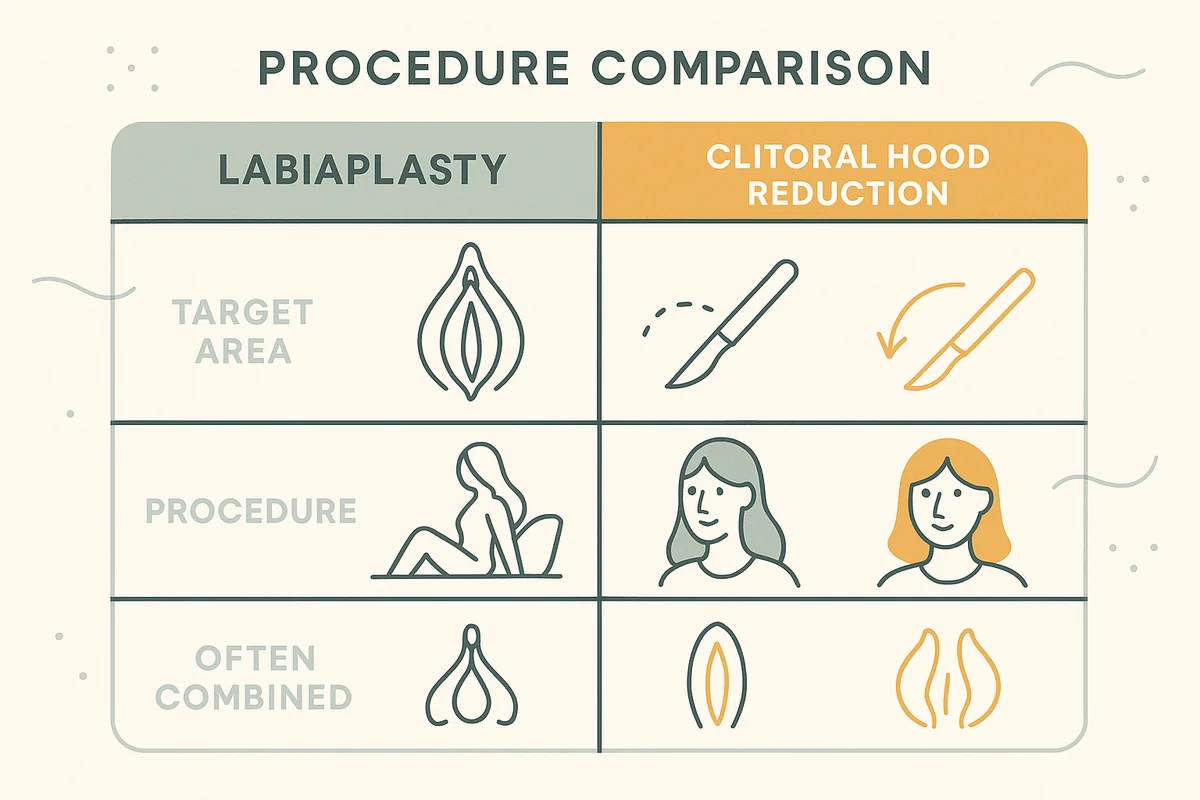
These procedures are sometimes performed together depending on individual anatomy.
Why do some people consider labiaplasty? Normal variation and functional reasons
Labia come in every size, shape and configuration imaginable, and all of it is normal. Asymmetry is standard. Inner lips that extend past outer lips are common.
Why do some people seek labiaplasty? The answer lies in genuine functional problems. Chafing during exercise, hygiene challenges, or daily discomfort that chip away at quality of life.
Health Direct Australia notes that while labial concerns are often harmless, they can cause genuine discomfort for some individuals.
Many issues resolve with simple changes: different underwear fabrics, barrier creams, modified hygiene routines, or clothing adjustments. These conservative approaches should be tried first.
Before considering any procedure, explore common reasons and misconceptions about labiaplasty. If conservative measures haven't helped, consultation can help determine whether you might be a good candidate for labiaplasty.
When might clitoral hood reduction be appropriate?
Clitoral hood reduction addresses specific anatomical concerns that differ from those managed with labiaplasty. The clitoral hood, or prepuce, naturally protects the sensitive clitoral tissue underneath.
The most common indication involves hygiene difficulties. Excess tissue traps moisture, soap residue, and natural secretions. Physical discomfort manifests as pulling sensations, irritation from clothing, or difficulty with cleansing.
Hood reduction is frequently considered alongside labiaplasty when both areas contribute to concerns. According to StatPearls, clitoral hood reduction is considered an ancillary procedure that may be appropriate in specific circumstances.
The technical aspects require particular care because the area contains important nerve pathways. Individual assessment is crucial for determining appropriateness.
How decisions are made: consultation, assessment and AHPRA guidance in Australia
Your consultation starts with your story: what symptoms brought you here, what you've already tried, and what you're hoping to achieve.
Before considering any practitioner, verify their registration on the AHPRA public register.
The Australian Government's health department provides comprehensive guidance about cosmetic surgery safety.
Good consultation never feels rushed or pressured. Second opinions are always appropriate and often recommended.
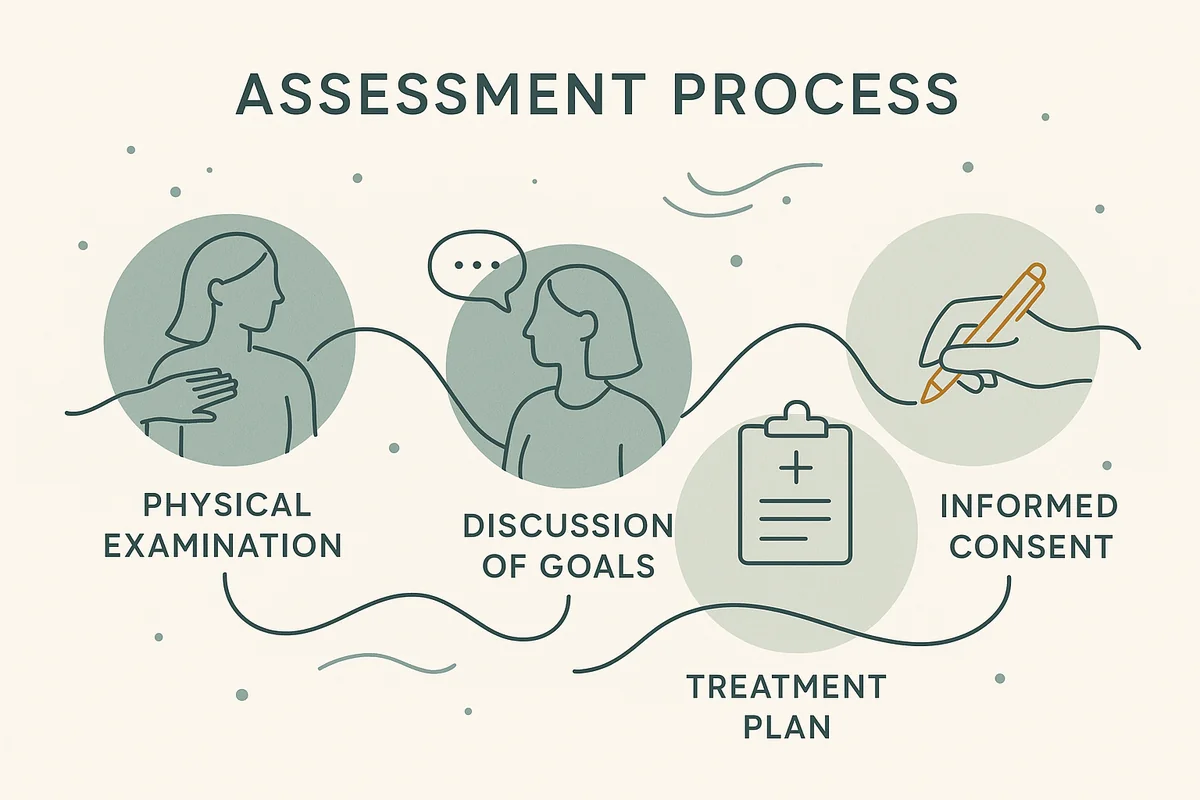
The assessment process ensures you receive personalised, informed care.
Recovery after labiaplasty or hood reduction: what to expect and typical timelines
Recovery involves several phases, with the initial weeks being most important for proper healing. The first few days involve discomfort, swelling, and bruising. Most people find the discomfort manageable and notice improvement within the first week.
Swelling peaks around day three to five before gradually subsiding. Activity restrictions are important for proper healing. Sexual activity and tampon use are generally restricted for several weeks.
According to the NHS guidance on labiaplasty, most people can return to work within a week.
For detailed guidance, read about week-by-week recovery expectations.
Risks and complications to weigh for each procedure
General surgical risks include bleeding, infection, and delayed wound healing. Specific risks include asymmetry and altered sensation. Clitoral hood reduction carries additional considerations due to the area's rich nerve supply.
The Better Health Channel notes that complications can include changes in sensation, scarring, and the potential need for revision surgery.
Smoking significantly impairs healing and must be stopped well before surgery. Infection prevention involves proper wound care, following activity restrictions, and maintaining good hygiene.
Costs, Medicare and private health: when labiaplasty may be covered in Australia
The funding landscape hinges on one crucial distinction: is your procedure medically necessary or cosmetic?
Medicare Item 35534 opens the door to potential coverage, but only when strict criteria are met. You'll need documented functional problems that haven't been addressed by conservative treatment.
Private health insurance adds another layer of complexity. Coverage varies dramatically between funds and policy levels.
If you're considering labiaplasty, learning about who might be a good candidate can help you understand the factors that influence both suitability and potential funding eligibility.
Dr Georgina Konrat is a cosmetic doctor and has no association with Medicare or Private Health, so rebates do not apply.
Frequently Asked Questions
What's the difference between labiaplasty and clitoral hood reduction?
Labiaplasty focuses on reshaping the labia when they cause physical discomfort, chafing, or hygiene difficulties. Clitoral hood reduction addresses excess tissue around the clitoral area that may trap moisture or cause irritation.
Can both procedures be done at the same time?
Yes, labiaplasty and clitoral hood reduction are often performed together when both areas contribute to concerns. During consultation, your practitioner will assess whether addressing one or both areas is most appropriate.
How painful is recovery from these procedures?
Most people describe the discomfort as manageable rather than severe. The first few days typically involve the most discomfort. Week-by-week recovery expectations helps you plan your healing period.
Are these procedures covered by Medicare in Australia?
Coverage depends on whether your procedure meets Medicare's criteria for medical necessity under Item 35534. Dr Georgina Konrat is not associated with Medicare or Private Health Insurance rebates.