
Key Takeaways
- 1The DOVE Surgical Technique is the name Dr Konrat uses for her labiaplasty approach.
- 2It is built around consultation-based planning, tissue preservation, and anatomical review.
- 3Technique selection is individual. Not every patient is suited to the same operative plan.
- 4All labiaplasty procedures still carry risks, downtime, and normal healing variation.
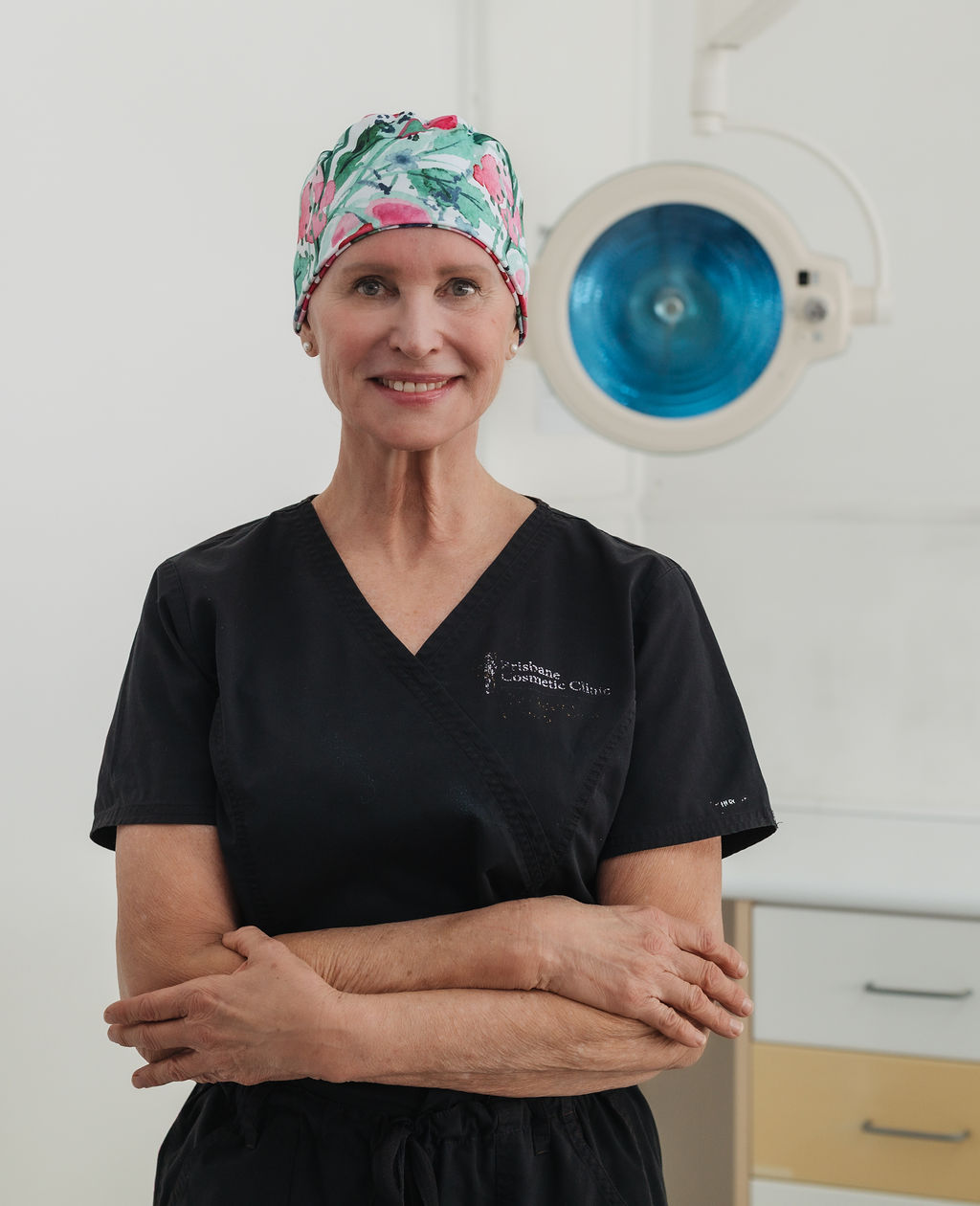
The DOVE Surgical Technique is the term Dr Georgina Konrat uses to describe her labiaplasty approach. Patients often ask what this means in practical terms, how it differs from other labiaplasty discussions, and whether it changes recovery, scarring, or cost. The answer starts with consultation and planning rather than with a marketing claim.
During a labiaplasty consultation, Dr Konrat reviews the anatomy, the symptoms or personal aesthetic concerns being discussed, and the amount of tissue that may need attention. The DOVE Surgical Technique refers to the way that planning and tissue handling are approached in her practice. It does not mean that one fixed template is applied to every patient.
Why Dr Konrat Developed the DOVE Surgical Technique
Dr Konrat's background includes general surgical training, experience as an obstetrics and gynaecology registrar, and later training in cosmetic surgery and medicine. Over time, she saw that many patients presenting for labiaplasty were concerned not only about appearance but also about comfort in clothing, exercise, intimacy, and day-to-day irritation.
The DOVE Surgical Technique grew out of that experience. The aim is to plan carefully, preserve tissue where possible, and avoid removing more tissue than is required for the individual case. In practice, that means the procedure is mapped to the patient's anatomy rather than trying to fit the anatomy into a one-size-fits-all method.
What the Technique Focuses On
The first principle is anatomical assessment. Consultation includes a review of the shape, symmetry, tissue length, and the area responsible for the patient's symptoms or personal aesthetic choice. The second principle is tissue preservation. The goal is to remove only what has been discussed and planned, while maintaining the natural outline of the remaining tissue where appropriate.
The third principle is careful tissue handling. Patients are often concerned about swelling, wound separation, or discomfort in the early healing phase. While no technique can remove risk, careful tissue handling is intended to support a more orderly healing process.
How It Differs from Trim and Wedge Discussions
Many people researching labiaplasty come across general descriptions of trim and wedge procedures. These are broad ways of describing where tissue is removed. The DOVE Surgical Technique is not simply a rebranding of either of those terms. It is Dr Konrat's own operative framework for evaluating the anatomy, planning the excision pattern, and managing the closure.
For some patients, the best plan may overlap with principles seen in traditional trim-style or wedge-style discussions. For others, the plan may be modified to suit asymmetry, tissue quality, previous childbirth changes, or prior procedures. That is why Dr Konrat discusses technique choice only after assessment, rather than promising the same method to everyone from the outset.
Consultation Still Matters More Than the Technique Name
Patients sometimes assume that choosing a named technique is the main decision. In reality, the more important questions are whether the doctor has examined the anatomy properly, whether risks have been explained clearly, whether the likely recovery has been discussed, and whether the planned change matches the patient's concerns.
AHPRA requirements also matter. Cosmetic surgery patients need a GP referral, at least two consultations, and a cooling-off period before the procedure can be booked. Those steps are there to support informed decision-making and should be part of any proper consultation pathway.
Recovery, Risks, and Cost
Even with a careful operative approach, labiaplasty still carries risks. These include bleeding, infection, wound separation, asymmetry, changes in sensation, scarring, and the possibility of revision surgery. Dr Konrat places the risks and complications section early in the procedure pages for that reason.
Recovery still involves swelling, time away from some activities, and a staged return to exercise and intimacy. You can read the detailed timeline on the labiaplasty recovery guide. In terms of cost, the DOVE Surgical Technique is not an extra add-on. It is the standard operative approach discussed by Dr Konrat during consultation. The fee structure is outlined on the labiaplasty cost Sydney page.
When to Read This Together with the Main Procedure Page
This page explains the thinking behind the DOVE Surgical Technique, but it should be read together with the main procedure information. The labiaplasty page covers candidacy, referral requirements, anaesthesia options, risks, healing, and related procedures such as revision labiaplasty. If you are attending the Sydney practice, the Bondi Junction page also explains location details and consultation logistics.
Frequently Asked Questions
What is the DOVE Surgical Technique?
The DOVE Surgical Technique is Dr Georgina Konrat's approach to labiaplasty. It is planned around tissue preservation, anatomical assessment, and careful removal of only the tissue discussed during consultation.
Is the DOVE Surgical Technique the same as a trim or wedge procedure?
No. Trim and wedge describe broad labiaplasty patterns. The DOVE Surgical Technique is Dr Konrat's own operative approach and may use different planning principles depending on the patient's anatomy.
Does the DOVE Surgical Technique guarantee a particular result?
No. All surgery carries risks and healing varies between individuals. The technique describes the operative method, not a guaranteed outcome.
Does the DOVE Surgical Technique cost extra?
No. It is Dr Konrat's standard approach to labiaplasty and is discussed as part of the normal consultation and fee planning process.